



Investment9 min read
Stock Market Update: What Investors Need to Know This Week
If you have been checking your investment app this week and wondering why some of your Nigerian stocks are slipping…
 Precious Iloduba
 PRECIOUS ILODUBA
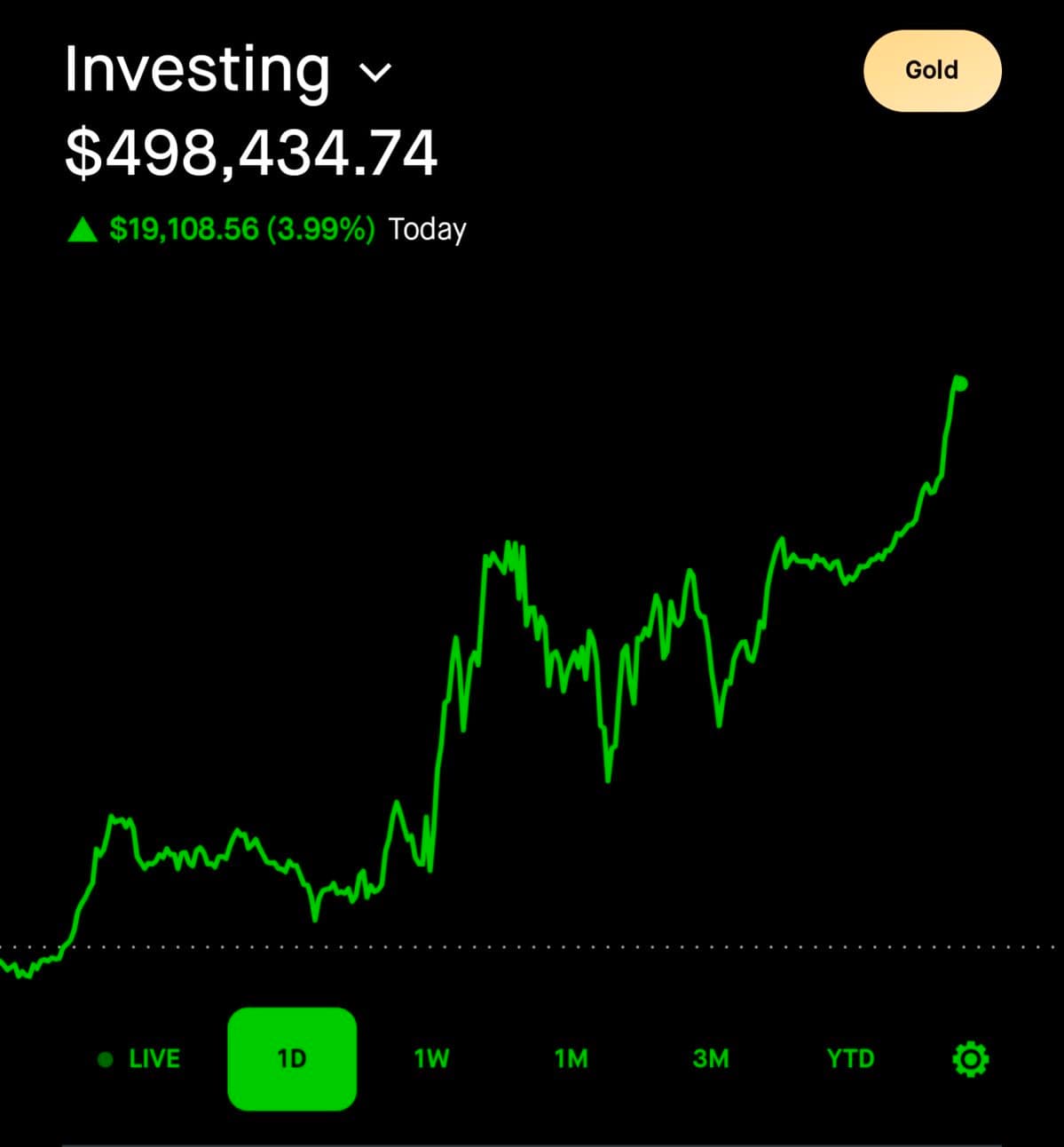
There is something interesting happening in Nigeria right now. More young people are beginning to pay attention to investing, and for the first time in a long time, conversations about stocks are no longer reserved for bankers, economists, or people in suits sitting in Lagos boardrooms. Students are asking questions. Creators are curious. Small business owners are downloading investment apps. Ordinary Nigerians are beginning to look at the stock market and wonder if there is a place for them there too.
And honestly, there is.
The Nigerian stock market can look intimidating at first. The numbers move every day. Prices rise and fall. One minute people are celebrating gains, the next minute someone is warning about market corrections. But underneath all the noise, the market is simply a reflection of real businesses. Banks. Telecom companies. Food producers. Cement manufacturers. Energy companies. These are companies Nigerians interact with almost every single day without even realizing they are also investment opportunities.
The smartest way to understand the market is not by trying to memorize hundreds of stock symbols. It is by understanding sectors.
Once you understand the different sectors of the Nigerian Exchange, the market suddenly begins to make sense.
According to the Nigerian Exchange, listed companies are grouped into sectors like financial services, consumer goods, industrial goods, ICT, oil and gas, healthcare, agriculture, services, and more. That structure matters because different sectors react differently to the economy. When one sector struggles, another may thrive. (ngxgroup.com)
If there is one sector many Nigerian investors naturally gravitate toward, it is banking.
Banks are deeply connected to everyday life. Salaries pass through them. Businesses depend on them. Loans, transfers, savings, investments, and transactions all flow through the financial system. So when the economy moves, banks usually feel it first.
Some of the biggest names here include GTCO, Zenith Bank, Wema bank, UBA, Access Holdings, Fidelity Bank, and FCMB. NGX classifies these companies under financial services, with most of them operating in banking and related financial activities. (ngxgroup.com)
For many investors, bank stocks are attractive because they are often seen as stable, widely recognized, and deeply rooted in Nigeria’s economy. Some investors also pay attention to them for dividend potential, especially long-established banks with strong earnings histories.
But beyond numbers and reports, there is another reason people pay attention to bank stocks: familiarity.
Most Nigerians already know these brands. They use their apps. They walk into their branches. They hear about them every day. That familiarity makes the sector feel less distant and easier to understand.
The consumer goods sector is one of the easiest sectors to relate to because it revolves around everyday living.
Food. Sugar. Drinks. Household consumption.
Companies like BUA Foods, Dangote Sugar, and International Breweries fall into this category on the NGX. BUA Foods and Dangote Sugar are classified under food products, while International Breweries sits within the beverages segment. (ngxgroup.com)
This sector tends to attract long-term attention because no matter what happens in the economy, people still need to eat and consume basic products. Inflation, however, can affect spending power, so investors often watch how these companies handle rising costs and pricing pressures.
What makes this sector interesting is how closely it mirrors real life. When food prices rise in markets across Nigeria, these companies feel the impact. When consumer spending improves, these businesses often benefit. It is one of the most human sectors of the market because it reflects the daily realities of ordinary people.
Then comes industrial goods, particularly cement and construction-related companies.
Dangote Cement is one of the most recognizable names here, classified by NGX under industrial goods and building materials. (ngxgroup.com)
This sector is tied closely to infrastructure, construction, real estate, and urban development. Whenever roads are being built, estates are expanding, or construction projects are increasing, companies in this space often become central to economic discussions.
There is something symbolic about industrial stocks. They represent physical growth. Buildings are rising. Cities expanding. Development taking shape in concrete form.
That is why many investors keep an eye on them.
Nigeria’s digital economy has grown rapidly over the years, and telecom companies have become impossible to ignore.
MTN Nigeria stands out as the major telecom stock on the exchange. NGX classifies it under ICT, specifically telecommunications services. (ngxgroup.com)
This is the sector connected to data usage, internet access, digital payments, mobile communication, and the broader technology ecosystem. Every time people stream videos, make transfers, browse social media, or buy data bundles, telecom infrastructure plays a role.
For younger investors especially, this sector feels relatable because it reflects the digital lifestyle many people already live every day.
Nigeria’s economy has long been connected to oil and energy, so it is no surprise that oil and gas stocks continue to attract attention.
Some of the major names include Seplat Energy, Aradel Holdings, and Oando. NGX classifies these companies under oil and gas, covering exploration, production, and integrated energy services. (ngxgroup.com)
This sector can be volatile because energy prices and production conditions change frequently. But it also remains one of the most closely watched sectors because of how important energy is to Nigeria’s economy.
Oil and gas stocks are often the kind of investments people approach with both excitement and caution. The opportunities can be significant, but so can the swings.
So Where Should a Beginner Start?
For someone new to investing, the best approach is usually not trying to chase every trending stock online.
Start simple.
Understand the sectors first.
A beginner portfolio might include:
One or two banking stocks
One consumer goods company
One industrial goods stock
One telecom stock
One oil and gas company
That kind of spread helps reduce overdependence on one sector alone.
The truth is, investing is rarely about finding a magical stock that suddenly changes your life overnight. Most experienced investors focus more on patience, consistency, and understanding what they own.
And perhaps that is the biggest lesson of all.
Behind every stock ticker is a real company. Behind every company are people, products, services, and entire industries shaping the Nigerian economy every day.
Once you begin to see the market that way, investing stops feeling like gambling and starts feeling like understanding the world around you a little better.
Get thoughtful stories, useful ideas, practical insights and fresh perspectives on life, money, health, work and everything in between straight to your inbox.
If you have been checking your investment app this week and wondering why some of your Nigerian stocks are slipping…
Precious Iloduba
If you have been paying attention to conversations about money and investing in Nigeria lately, there is a good chance…
 Precious Iloduba

Walk into a Nigerian market with ₦50,000 in your pocket and you will probably start thinking about what you can get for…
Precious Iloduba
Comments