


Lifestyle16 min read
Your 20s and 30s: The Foundation of a Healthy Life
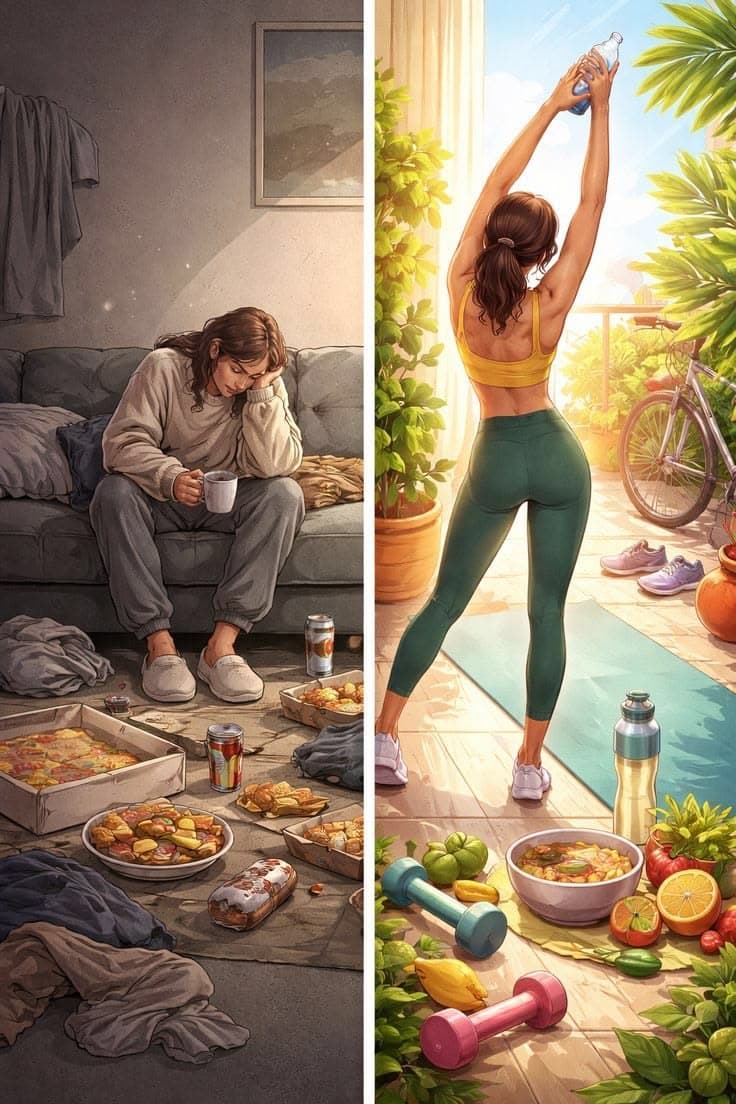
There is something many of us believe when we are young: that our bodies will always forgive us. We can eat whatever we…
 Precious Iloduba
 Pearl Abraham
INTRODUCTION
No one really warns you about how tired your 20s can be.
Not the kind of tired sleep alone can fix, but a deeper, quieter exhaustion that lingers even on good days.
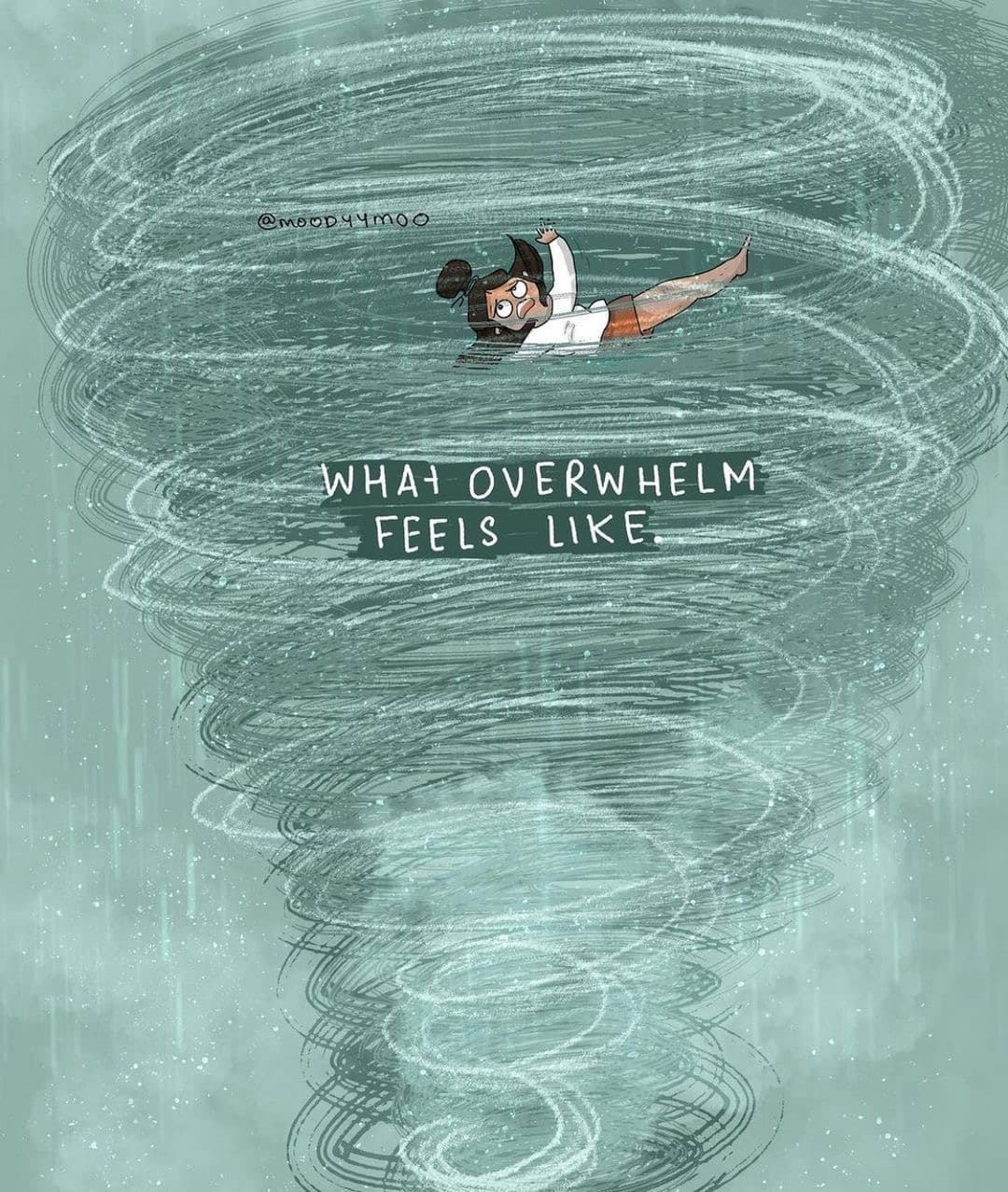
You are trying to build a future, heal from the past, and survive the present all at once. You are expected to be ambitious, self aware, emotionally intelligent, and financially responsible, often without enough guidance or support.
That weight adds up. And for many people in their 20s, exhaustion becomes a normal state.
The tiredness in your 20s is not just physical. It is mental and emotional.
You are making big decisions with limited experience. You are navigating careers, relationships, money, identity, and expectations sometimes all at once. You are learning who you are while being asked to show up as an adult.
That constant adjustment is draining, even when things seem fine on the outside.
Social media quietly convinces us that we should already be settled. Everyone seems to be achieving something getting promoted, getting married, starting businesses, or living their best life.
But what we see are outcomes, not the process. Not the stress, uncertainty, or emotional cost behind those milestones.
Trying to measure your life against someone else’s timeline is exhausting. Growth is not meant to be rushed, yet many of us feel like time is always running out.
Many people in their 20s stay busy because slowing down feels unsafe. Hustle culture rewards productivity and treats rest like a luxury.
But constantly being on leaves little space to recover. You may be working hard, chasing goals, and showing up for others while quietly running on empty.
Rest is not just sleep. It is the absence of pressure. And without it, exhaustion deepens.
While this phase of life is demanding, it does not have to consume you. Small, intentional shifts can make a real difference.
Rest is not only about sleeping longer. It can be taking breaks without guilt, doing things with no productivity goal, and allowing yourself to be offline.
Your nervous system needs pauses, not just plans.
You do not need to achieve everything at once. Focus on what matters now, not everything that might matter later.
Progress in your 20s can look like stability, clarity, or peace, not just milestones.
Not every conversation, relationship, or situation deserves your full energy. Protecting your emotional space reduces burnout more than pushing through ever will.
Choosing peace is not avoidance. It is wisdom.
When life feels overwhelming, simplicity helps. Consistent routines such as morning walks, journaling, and regular meals create a sense of control and safety during uncertain seasons.
You are learning in real time. Mistakes, delays, and uncertainty are part of the process. Speak to yourself with the same patience you offer others.
Self compassion eases exhaustion more than self criticism ever will.
Conclusion
The quiet exhaustion of being in your 20s does not mean you are failing. It means you are growing, adapting, and carrying more than most people see.
This season asks a lot of you, but it does not require you to lose yourself. Slow down where you can. Rest without apology. Move at a pace that honors your mental and emotional health.
You are not weak for feeling tired.
You are becoming, and becoming takes energy.
Get thoughtful stories, useful ideas, practical insights and fresh perspectives on life, money, health, work and everything in between straight to your inbox.
There is something many of us believe when we are young: that our bodies will always forgive us. We can eat whatever we…
Precious Iloduba
Few months ago, I wrote an article on deconstructing religion and Christianity and how they are not the same thing.…
Precious Iloduba
There is a saying that “delusion is the cousin of hope”. It may not sound realistic. In fact, it probably isn’t. But…
Precious Iloduba
Comments